
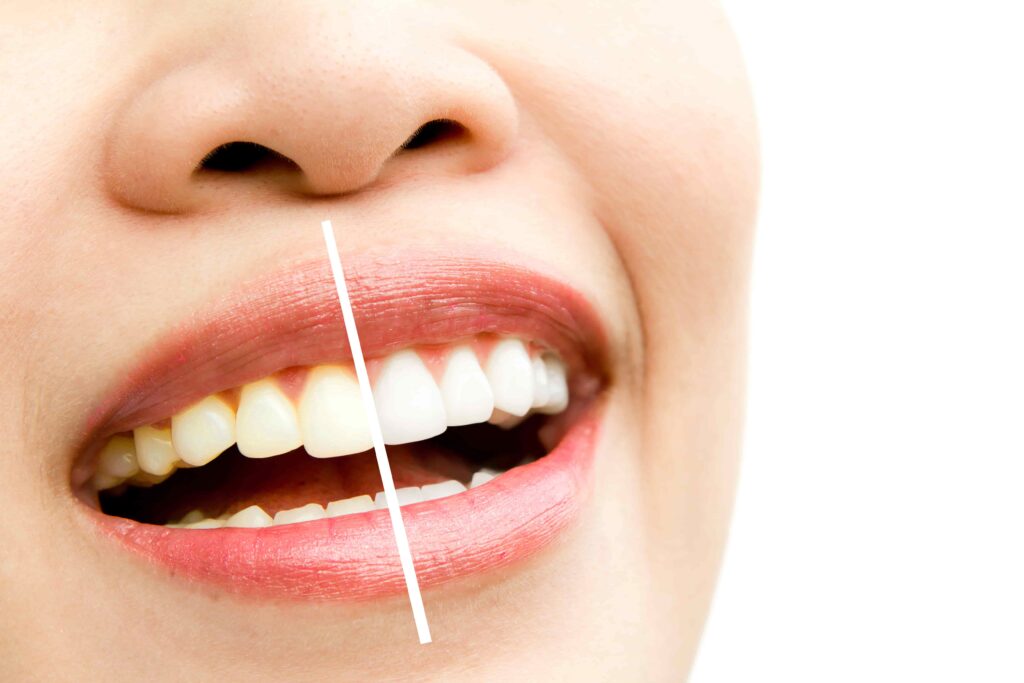
Noticing whitening spots on teeth can be concerning, but these small white or chalky patches are surprisingly common. They often appear due to changes in enamel, calcium deposits, or early stages of tooth decay. Understanding why these spots appear is essential to addressing them effectively and keeping your smile even and healthy.
At The Avenue Dental, we specialise in identifying the underlying causes of white spots and offering tailored treatment plans that restore both aesthetics and dental health. In this guide, we’ll explore the most common causes, effective treatments, preventive tips, and answer common questions about white spots on teeth.
What Causes Whitening Spots on Teeth?
White spots on teeth can have multiple origins. The key is identifying the root cause, as treatment varies depending on it.
1. Enamel Hypomineralisation
- Description: Occurs when the enamel fails to fully mineralise during tooth development.
- Appearance: Chalky white or opaque spots, sometimes with rough texture.
- Common Cause: Childhood illness or nutritional deficiencies.
2. Dental Fluorosis
- Description: Results from excessive fluoride exposure during early tooth development.
- Appearance: Mild white streaks or more pronounced opaque patches.
- Note: Usually cosmetic; rarely affects tooth function.
3. Calcium Spots on Teeth
- Description: Mineral deposits or early signs of enamel demineralisation.
- Appearance: Small, hard white spots.
- Cause: Can result from high fluoride, poor enamel formation, or plaque accumulation.
4. Early Tooth Decay
- Description: Demineralisation caused by acids from plaque bacteria.
- Appearance: Soft, chalky white spots that may progress to brown or black if untreated.
- Importance: Requires early intervention to prevent cavities.
5. After Whitening Treatments
- Description: Uneven bleaching can make existing enamel irregularities more noticeable.
- Appearance: White spots may stand out against the rest of the whitened teeth.
- Tip: Always consult a dentist before at-home whitening.
White Spots on Teeth: Treatment Options
Treatment depends on the cause, severity, and location of the spots.
1. Microabrasion
- What it is: A minimally invasive technique where a dentist gently removes a thin layer of enamel to reduce visible spots.
- Best for: Superficial enamel white spots caused by fluorosis or mild demineralisation.
- Pros: Quick, safe, and effective for mild cases.
- Considerations: Not suitable for deep or severe enamel defects.
2. Resin Infiltration
- What it is: A treatment that fills porous enamel with a special resin to mask white spots.
- Best for: Early enamel lesions or white spots after orthodontic treatment.
- Pros: Minimally invasive, preserves natural enamel, immediate cosmetic improvement.
- Considerations: May require touch-ups over time.
3. Professional Teeth Whitening
- What it is: Dentist-supervised bleaching using high-quality whitening agents.
- Best for: Cosmetic enhancement alongside other treatments to blend minor white spots.
- Pros: Fast, safe, effective, and tailored to your teeth.
- Considerations: Whitening alone may not completely mask deep spots.
4. Remineralisation Therapy
- What it is: Application of fluoride and calcium-rich gels to strengthen enamel and reduce spot appearance.
- Best for: Early-stage demineralisation or mild calcium spots.
- Pros: Non-invasive, supports long-term enamel health.
- Considerations: Gradual improvement; multiple sessions may be required.
5. Veneers or Bonding
- What it is: Cosmetic restoration using composite resin or porcelain to cover stubborn white spots.
- Best for: Severe enamel defects or cosmetic perfection.
- Pros: Immediate, long-lasting results with full colour matching.
- Considerations: More invasive and costly than other treatments.
Step-by-Step Professional Approach
- Consultation: Comprehensive dental assessment to identify the type and cause of white spots.
- Oral Hygiene Review: Dentist checks for plaque, tartar, and enamel health.
- Treatment Recommendation: Depending on severity, a combination of microabrasion, resin infiltration, or whitening may be suggested.
- Procedure: Implement the chosen treatment safely and effectively.
- Post-Treatment Care: Guidance on maintaining results, including oral hygiene and diet.
How to Prevent Whitening Spots on Teeth
Prevention is key to reducing the risk of new white spots:
- Brush twice daily with fluoride toothpaste
- Floss daily to remove plaque from hard-to-reach areas
- Avoid acidic and sugary foods that contribute to enamel erosion
- Use fluoride supplements carefully, especially for children
- Schedule regular dental check-ups to monitor enamel health
Additional tip: For adults who have completed orthodontic treatment, using a night guard can prevent demineralisation around brackets.
Quick Answers / FAQ
Q1: Are white spots on teeth permanent?
Some enamel defects are permanent, but treatments like resin infiltration, microabrasion, or veneers can significantly improve appearance.
Q2: Can teeth whitening make white spots more noticeable?
Yes. Uneven bleaching may highlight existing spots, so dentist-supervised whitening is recommended.
Q3: How much does treatment cost?
Costs vary depending on treatment type:
- Microabrasion: AUD 150–300
- Resin infiltration: AUD 300–600
- Whitening: AUD 400–800 per session
- Veneers: AUD 800–1,500 per tooth
Q4: Is treatment painful?
Most treatments are minimally invasive. Some patients may experience mild sensitivity that usually resolves quickly.
Q5: Can diet help prevent white spots?
Yes. A diet rich in calcium, phosphate, and low in acidic foods supports enamel health.
Q6: Can children get treatment for white spots?
Yes, but early intervention focuses on remineralisation and monitoring. Cosmetic options are usually delayed until adult teeth fully develop.
Real-World Examples
- A patient with mild fluorosis underwent microabrasion and resin infiltration, resulting in even enamel tone after two sessions.
- Post-orthodontic white spots were treated with resin infiltration combined with professional whitening, blending spots seamlessly into the surrounding teeth.
Conclusion
Whitening spots on teeth are common but manageable with professional care. From minimally invasive treatments like microabrasion and resin infiltration to cosmetic solutions such as veneers, dentists can restore your smile effectively. Preventive measures and routine check-ups are key to maintaining healthy enamel and preventing future spots.Ready to restore your smile? Contact The Avenue Dental today to schedule a consultation and find the best treatment for your white spots.